Diatomaceous earth (DE) has gained popularity as a natural, non-toxic solution for controlling various pests, including fleas. Its appeal lies in its organic nature and the promise of an environmentally friendly way to tackle infestations without resorting to harsh chemicals.
However, many pet owners and homeowners have encountered mixed results when relying on DE to combat fleas. Despite its reputation, some find that DE doesn’t seem to live up to its claims, leaving them puzzled and frustrated.
In this article, we’ll explore why diatomaceous earth might not be as effective against fleas as commonly believed, and what alternative solutions might better address this persistent problem.
Understanding Diatomaceous Earth (DE)
Diatomaceous earth (DE) is a naturally occurring substance made up of fossilized remains of microscopic aquatic organisms called diatoms. It’s often used as a pest control agent due to its abrasive properties, which can damage the exoskeletons of insects.
DE is commonly used for controlling a variety of pests, including fleas. Many people believe that DE is a highly effective and natural way to eliminate flea infestations. However, there are several reasons why DE may not be as effective as claimed.
Why Diatomaceous Earth May Not Kill Fleas?
While
diatomaceous earth (DE) is often touted as a natural and effective solution for flea infestations, it’s important to understand that it may not be as effective as claimed in all situations.
Several factors can influence DE’s effectiveness, including application methods, flea resistance, and environmental conditions.
Possible Reasons for DE’s Ineffectiveness:
- Inadequate application or incorrect use: DE must be applied correctly and consistently to be effective. It needs to be applied to areas where fleas are likely to be found, such as carpets, bedding, and furniture. If DE is not applied properly, it may not come into contact with enough fleas to kill them.
- Resistance or adaptation of fleas: Over time, fleas may develop resistance to DE or adapt to its presence. This can make it less effective in controlling flea infestations.
- Environmental factors: Factors such as humidity, temperature, and the presence of organic debris can affect DE’s effectiveness. High humidity can reduce DE’s drying power, while organic debris can protect fleas from its abrasive effects.
Common misconceptions about DE’s capabilities:
- DE is a miracle cure: While DE can be effective in certain situations, it is not a guaranteed solution to flea infestations.
- DE is completely safe: While DE is generally considered safe for humans and pets, it can be irritating to the respiratory system if inhaled in large quantities.
How Fleas Can Survive Diatomaceous Earth?
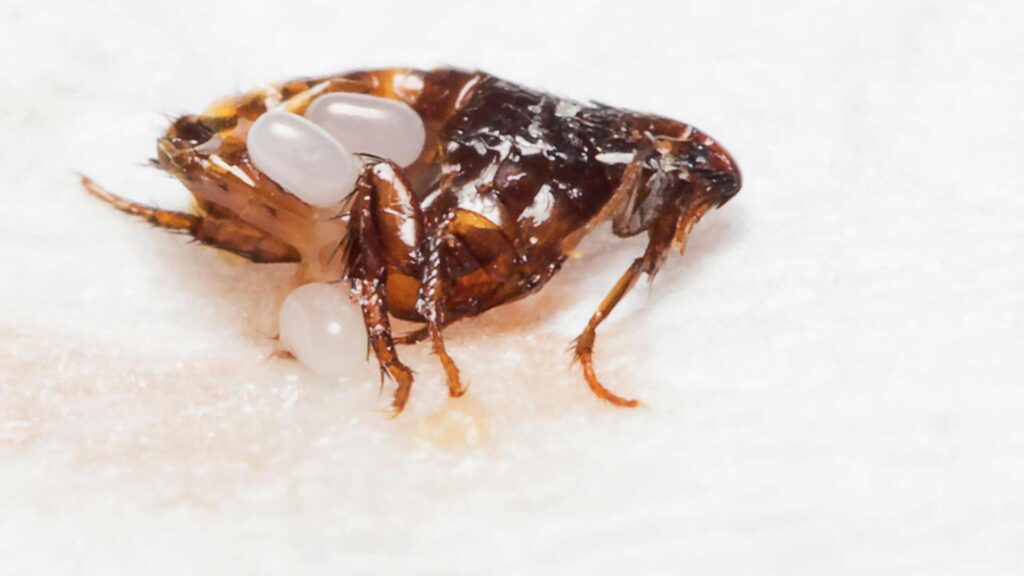
- Flea life cycle: Fleas go through a complex life cycle that includes eggs, larvae, pupae, and adult stages. DE may not be effective against all stages of the flea life cycle, particularly the eggs and pupae.
- Physical structure: Fleas have a tough exoskeleton that can protect them from the abrasive effects of DE. Additionally, fleas can move quickly and may avoid areas where DE is present.
- Protective behaviors: Fleas may hide in areas where DE is not present, such as deep crevices in furniture or bedding. This can make it difficult to eliminate them completely with DE.
Alternative Solutions for Flea Control
Chemical Alternatives
Chemical alternatives are among the most widely used and reliable methods for flea control. These include:
- Topical treatments: Applied directly to your pet’s skin, these treatments can kill fleas quickly.
- Examples: Frontline Plus, Advantage II, Revolution.
- Oral medications: These medications work from the inside out, often providing longer-lasting protection.
- Environmental sprays: Used to treat your home, particularly in areas where fleas are most likely to be found, like carpets, upholstery, and pet bedding.
- Examples: Adams Flea & Tick Home Spray, Vet’s Best Flea & Tick Home Spray.
- Safety note: Always choose products that are safe for your pets and consult with a veterinarian to ensure the best option for your situation.
Integrated Pest Management (IPM) Strategies
Integrated Pest Management (IPM) offers a more holistic approach by combining chemical and non-chemical methods to create a more effective and sustainable flea control plan:
- Regular vacuuming: Helps to remove fleas, eggs, and larvae from carpets and furniture.
- Washing pet bedding in hot water: Kills fleas and eggs that may be present.
- Using natural flea repellents: Essential oils or plant-based sprays can provide an added layer of protection without harsh chemicals.
- Comprehensive approach: By combining these methods, IPM reduces the likelihood of fleas developing resistance and helps maintain a flea-free environment over the long term.
Natural Remedies
For those who prefer to stick with natural methods, there are several natural remedies that may be more effective than DE alone:
- Specially formulated DE products: Some diatomaceous earth products are specifically designed for flea control and may include additional ingredients, such as natural insecticides or desiccants, to enhance effectiveness.
- Flea-repellent plants: Using plants like lavender or eucalyptus around your home can naturally repel fleas.
- DIY flea traps: Creating traps to capture and kill fleas without chemicals.
- Using nematodes: Introducing microscopic worms that prey on flea larvae in your yard to reduce the flea population before they can enter your home.
- Patience and effort: These methods may require more effort and patience but offer a chemical-free way to manage flea infestations, which can be particularly appealing for households with sensitive pets or family members.
By exploring these alternative solutions, you can find a flea control strategy that best suits your needs, whether you prefer the reliability of chemical treatments, the comprehensive approach of IPM, or the gentleness of natural remedies.
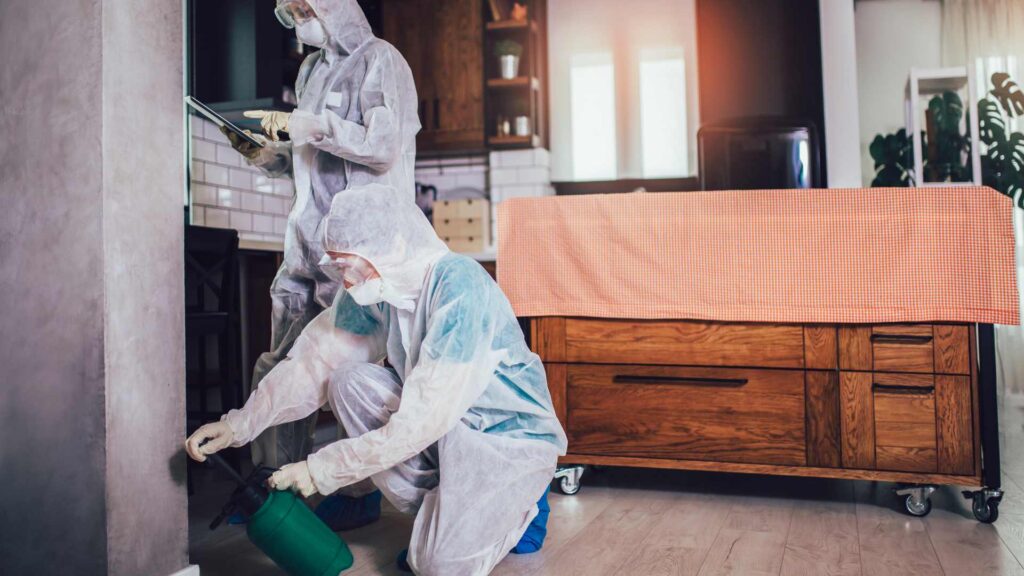
When to Consider Professional Pest Control
If DIY methods like DE are not working, it may be time to consider professional
flea pest control. Here are some indicators that professional intervention is necessary:
- Severe infestation: If you have a large number of fleas or they are causing significant discomfort for your pets, professional pest control may be the best option.
- Recurring infestations: If you have tried multiple methods to control fleas but the infestations keep coming back, professional help may be needed to identify and eliminate the root cause of the problem.
- Health concerns: If you or your pets are experiencing health problems related to flea infestations, such as allergies or anemia, professional pest control can help to address these issues.
Closing Thoughts on Diatomaceous Earth and Flea Management
While diatomaceous earth can be an effective tool for pest control, it may not be the best solution for flea infestations. There are several factors that can limit DE’s effectiveness, including inadequate application, flea resistance, and environmental conditions.
If you are struggling with a flea infestation, it is important to explore alternative options, such as chemical treatments, integrated pest management strategies, or natural remedies.
In some cases, professional pest control may be necessary to eliminate a severe infestation.
Remember, the best approach to flea control will depend on the specific circumstances of your situation. It is important to choose a method that is safe, effective, and suitable for your needs.