
Termites seem unstoppable. They work in the dark, breed fast, and hide inside your walls. So what can actually stop them? Many people ask about a termite's biggest enemy, hoping nature will solve the problem for free.
Nature does fight back — termites have several natural predators. But there is a catch. In this guide, our Glendora team explains which creatures prey on termites, why they cannot save your home on their own, and what truly stops a colony for good.
A termite's biggest enemy is a trained pest control professional — but nature has a few enemies too. Ants are a termite's top natural predator and often raid colonies for food. Tiny worms called nematodes, certain fungi, and even some birds and lizards also feed on termites. Still, these natural enemies rarely wipe out a full colony hidden inside your walls. The colony is protected, and its queen lays eggs faster than predators can keep up. That is why professional treatment, which targets the colony directly, is the most reliable way to protect your home. Want a proven way to stop termites? Book a free inspection with our Glendora team.
Out in nature, termites are part of the food chain. Several animals and tiny organisms see them as a meal. The most common natural enemies include:
These predators do thin out termites in the wild, especially during a swarm when termites are exposed and easy to catch.
Here is the problem. The termites eating your home live deep inside wood or underground. Predators cannot reach them there. A colony is sealed off and well-defended, so ants and other hunters rarely break in.
A single colony can hold tens of thousands of termites, with a queen that lays eggs day and night. Even if predators eat some swarmers outside, the colony inside keeps growing. Counting on nature is like bailing a boat with a spoon while the leak stays open.
The true enemy of a termite colony is a licensed professional who finds it early. The sooner a colony is found, the smaller it is and the easier it is to wipe out. Detection is half the battle.
In our 20+ years in Glendora, the colonies we stop fastest are the ones caught early, before they spread across a home. A free inspection is the simplest way to put that advantage on your side.
Unlike a predator, a pro goes straight for the colony. For subterranean termites, we use treated soil barriers and bait systems that carry the killing agent back to the nest. For drywood termites, we use fumigation, heat, or targeted spot treatments that reach every void.
This colony-first approach is what natural enemies cannot do. You can see how it works on our termite control service page.
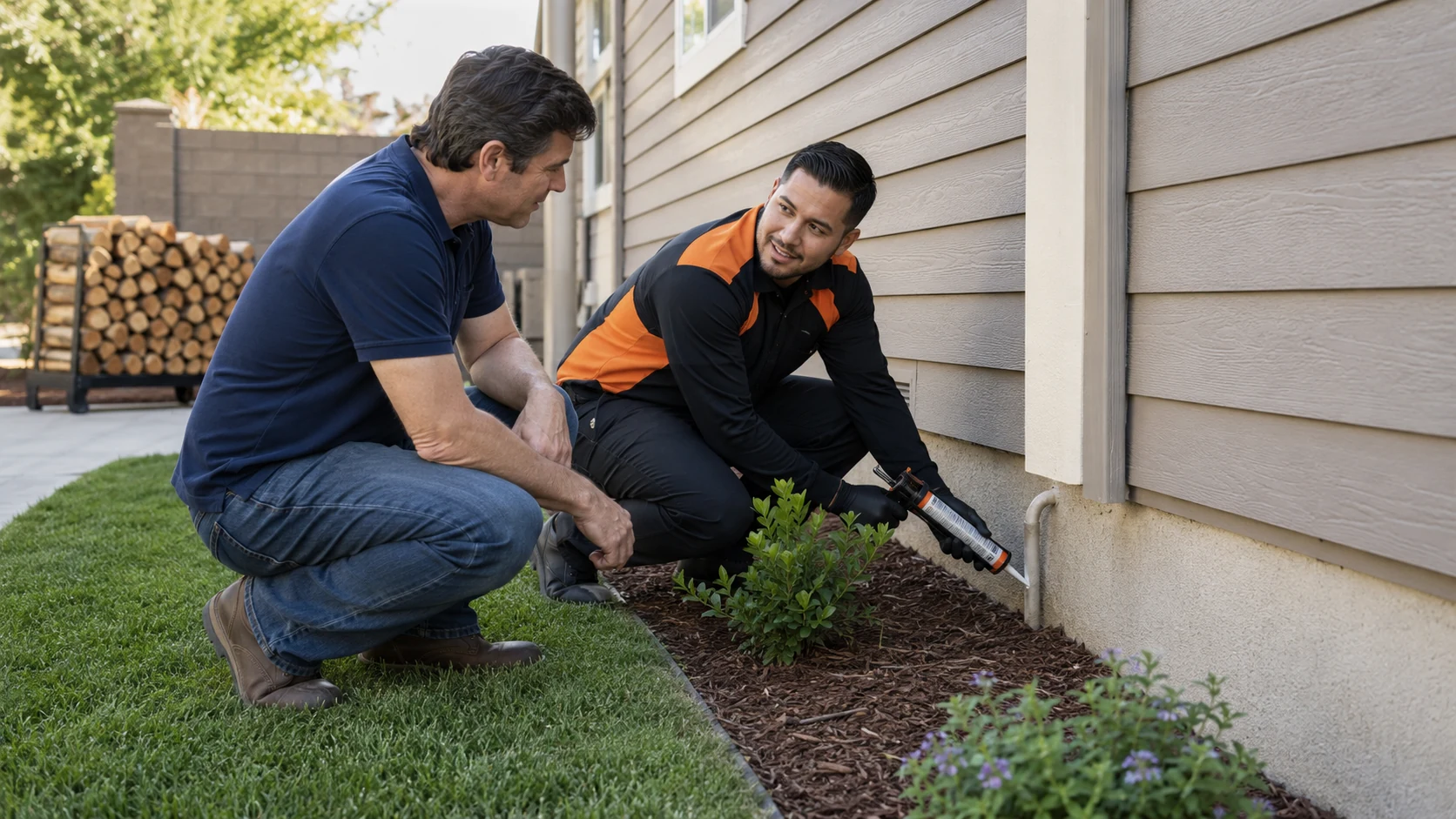
You can also turn your home into hostile ground for termites. A few simple habits make a big difference:
Want to know which pests are common in your area? Visit our areas we serve page.
Since ants are a termite's top predator, some people wonder if they can use ants on purpose. In short, no. You cannot aim a colony of ants at a termite problem, and you would not want to. Trading a termite issue for an ant issue just gives you a second pest to deal with.
In the wild, ants and termites do battle near nests, and ants often win. But inside your walls, the termites are sealed away where ants cannot reach. Nature's rivalry simply does not transfer to your home in a way you can control or count on.

The internet is full of home remedies — vinegar, orange oil, salt, cardboard traps, and more. A few of these can kill the handful of termites they directly touch. Orange oil, for example, can harm drywood termites on contact. But none of them reach a full colony hidden deep in wood or soil.
Think of home remedies as spot fixes at best. They might slow things down for a day, but the queen keeps the colony growing. Relying on them often means the infestation quietly spreads while you believe it is handled. For a real, lasting result, the colony itself has to be the target.
The earlier a colony is found, the cheaper it is to deal with. A small, young colony caught this year may need only a focused treatment. The same colony left alone for a few years can spread across a home and lead to costly wood repairs on top of treatment.
This is why we say early detection is the true enemy of termites. A yearly inspection puts time on your side. In our experience across Glendora, the homeowners who check regularly almost always spend far less than those who wait until the damage is obvious.
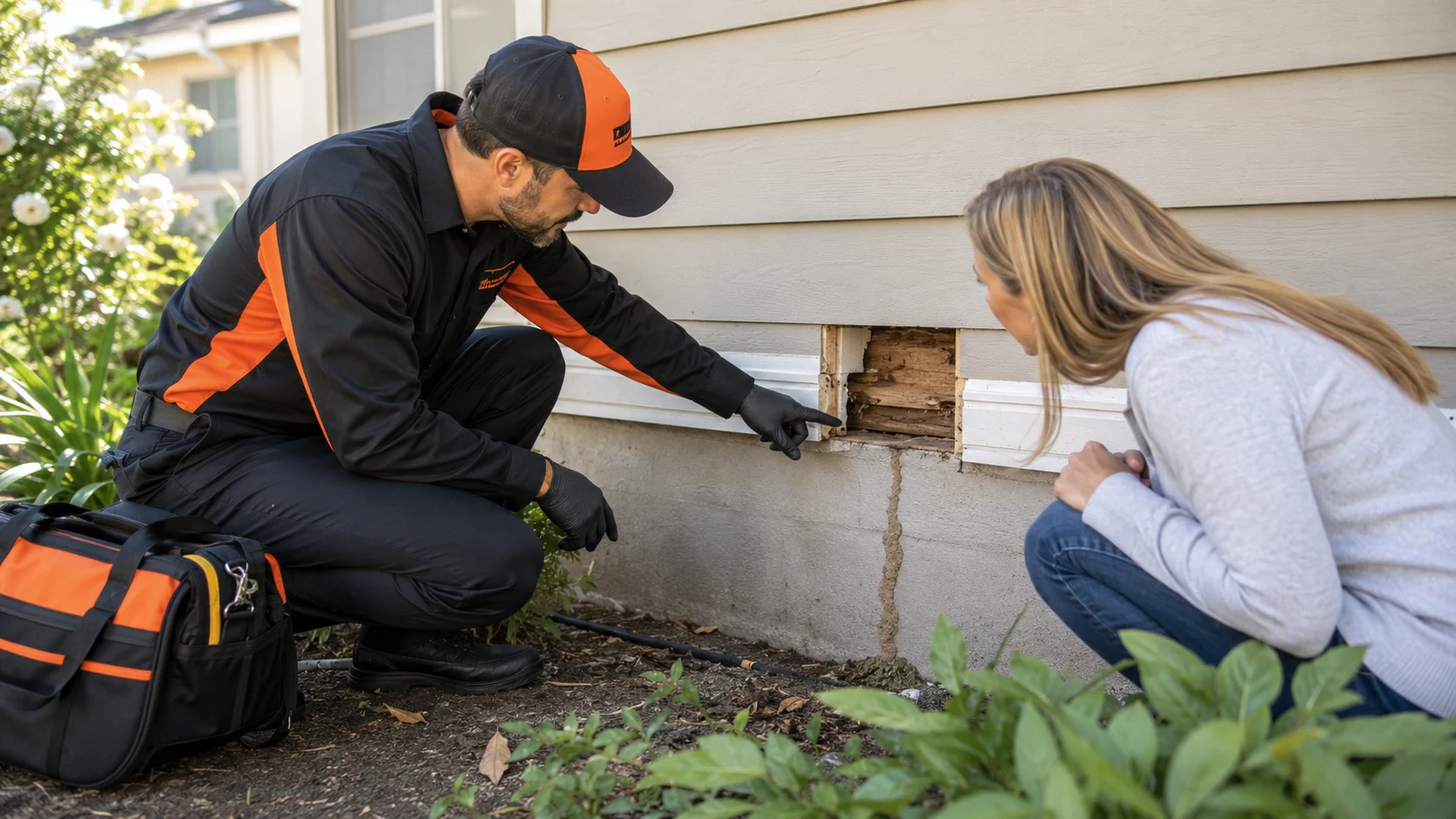
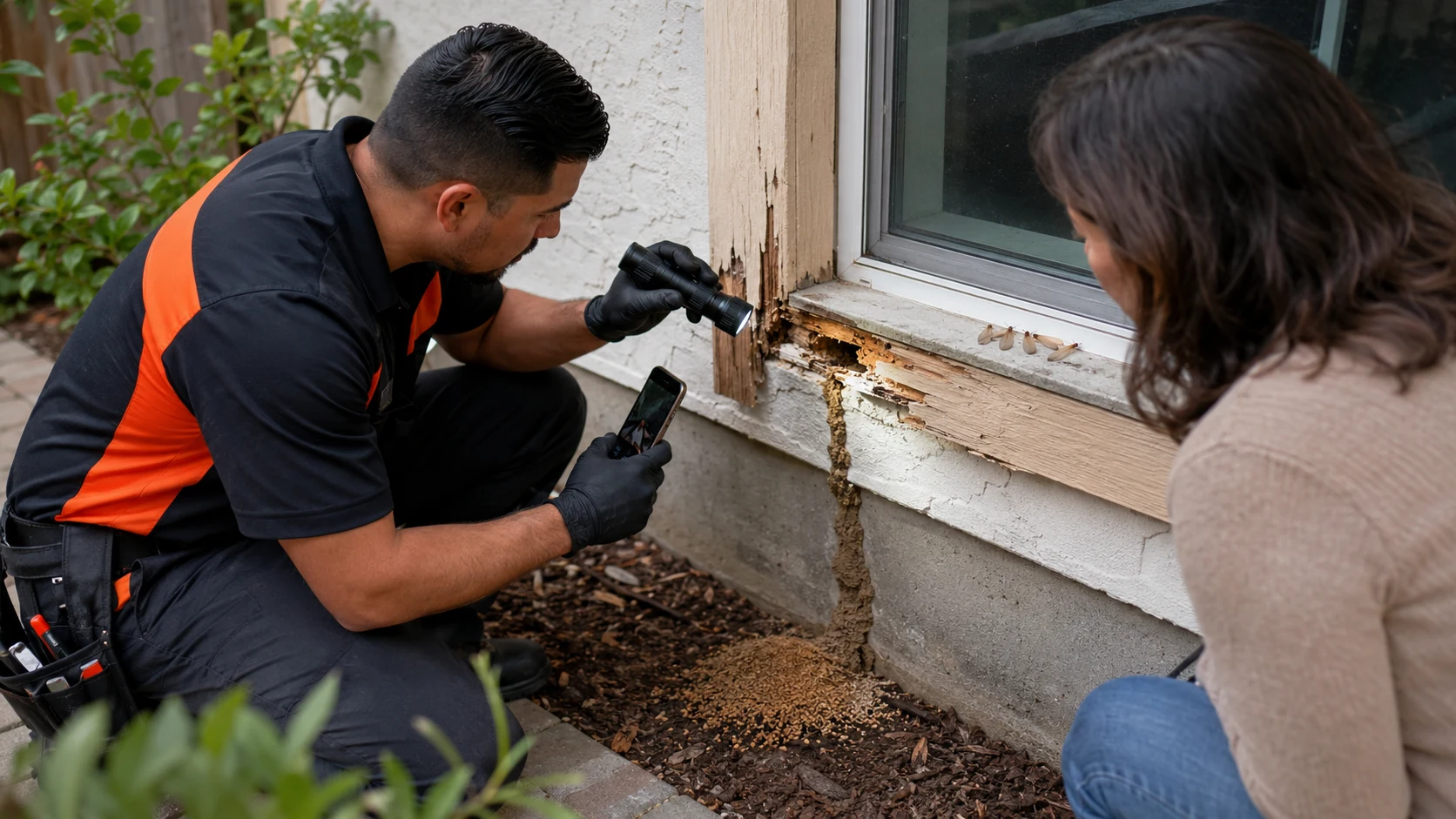
Natural enemies matter most before a colony takes hold. Once termites are settled inside your home, the warning signs become clearer. Look for mud tubes running up the foundation, small piles of frass under wooden surfaces, discarded wings on window sills, and wood that sounds hollow when you tap it. Seeing swarmers outside does not always mean your home is infested, but finding them indoors, or finding wings on an inside sill, is a much stronger sign that a colony is close by. When you notice these clues, predators and home remedies are no longer enough to protect your home.
The reason is simple. An established colony is shielded deep inside wood or underground, safe from ants, birds, and sprays alike. This is the point where professional treatment becomes the only reliable answer. The good news is that the earlier you spot these signs, the smaller the colony and the easier it is to wipe out. In a year-round climate like Glendora's, where termites stay active through mild winters, regular checks are the best way to catch a colony while it is still young, small, and far cheaper to deal with.
Most do-it-yourself methods fail for the same reason natural enemies do: they cannot reach the nest. A spray kills the surface termites you can see, but the colony's core — thousands of workers and a busy queen — stays protected and keeps breeding. That is why a problem that looks solved often comes roaring back a few weeks later. The visible termites were never the real target. To truly end an infestation, the treatment has to travel to the heart of the colony, something a can of spray simply cannot do on its own.
Professionals solve this with colony-focused tools. Bait systems turn the termites themselves into carriers, taking the treatment back to the nest where it wipes out the whole colony. Soil barriers and whole-house methods reach the hidden spots a homeowner never could. Pairing treatment with prevention — fixing moisture and sealing entry points — then keeps new colonies from moving in later. In our years serving Glendora, the homes that combine professional treatment with simple prevention habits are the ones that stay termite-free the longest.
Nature can chip away at termites, but it cannot protect your home. The reliable enemy of a termite colony is early detection paired with professional treatment.
Think of it as a simple partnership. Nature keeps termite numbers in check out in the wild, and your own habits make your home a harder target. But when a colony actually settles into your walls or foundation, only a trained pro can finish the job for good. By combining regular inspections, smart prevention, and professional treatment when it is needed, you give your home a level of protection that no single natural enemy could ever provide on its own. That layered approach is what keeps Glendora homes standing strong against termites year after year.
Give termites the enemy they fear most.
📞 Call (626) 625-2869
👉 Schedule your free termite inspection — as the #1 pest & termite control service in Glendora, our owner-operated team targets the colony directly — not just the termites you can see.
Authority source: UC IPM – Termites (Quick Tips)