
You have sprayed, set traps, and deep-cleaned. The pests are still there. Some infestations resist everything a homeowner tries. There is a reason for that.
According to pest control pros, bed bugs, termites, and German cockroaches are the three most difficult pests to remove from a home.
This guide explains why these pests are so tough, and what separates a pro approach from the DIY products that keep failing.
The hardest pests to remove are bed bugs, termites, and German cockroaches. Bed bugs hide in tiny crevices. They survive months without feeding. Many have built resistance to store-bought sprays. Termites live inside walls. They can restart colonies even if the queen dies. German cockroaches reproduce fast — a single egg case holds up to 48 nymphs. Some now avoid common bait traps. All three need professional treatment with specialized products, equipment, and follow-up visits.
Dealing with a stubborn infestation? Request a free estimate from Bellas Exterminator in Glendora.
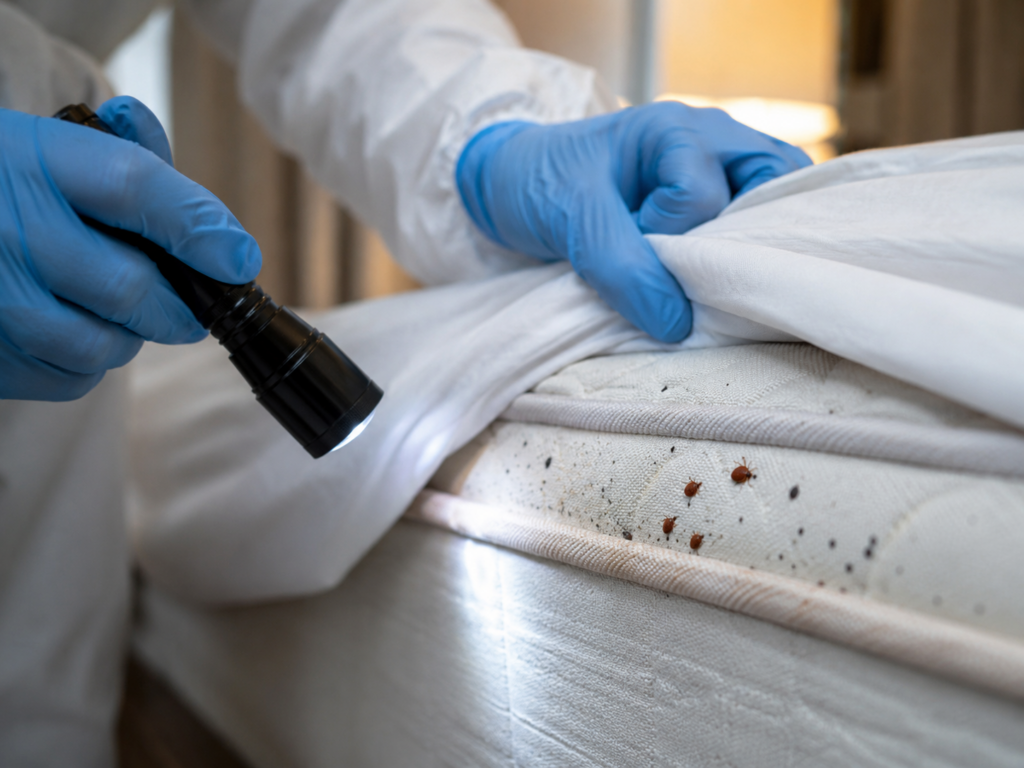
Bed bugs, termites, and German cockroaches share three traits. They hide where you cannot see. They reproduce fast. And they have shown resistance to common sprays.
These are not pests you solve with a can from the hardware store. Here is a quick comparison.
| Pest | Why It’s Hard | Typical Treatment |
|---|---|---|
| Bed bugs | Hide in seams, survive months without feeding | Heat or targeted chemical, multi-visit |
| Termites | Live inside wood, colonies restart | Liquid termiticide or baiting system |
| German cockroach | Fast breeding, glucose-averse strains | Gel bait + IGR, follow-up |
Bed bugs hide in mattress seams, electrical outlets, and along baseboards. They can live for months without a meal. Their stronger exoskeletons resist many off-the-shelf insecticides.
DIY foggers often make things worse. They scatter the bugs into walls and other rooms. The standard pro solution is heat treatment or targeted chemical work. Most homes need more than one visit to clear them.
Watch for these signs:
We have treated homes where the owner tried to solve a bed bug problem for months with store-bought products. By the time we arrive, the infestation has spread to every room.
Termites eat wood from the inside out. They can go undetected for years. A single colony can hold thousands of workers. They can restart even if the queen dies.
Subterranean termites build mud tubes from the soil to the wood. Drywood termites live entirely inside the wood itself. Glendora homes near the San Gabriel foothills face both species. Older wood framing makes the risk higher.
Signs to watch for in your home:
Suspect activity? See our Glendora termite control services for inspection details.
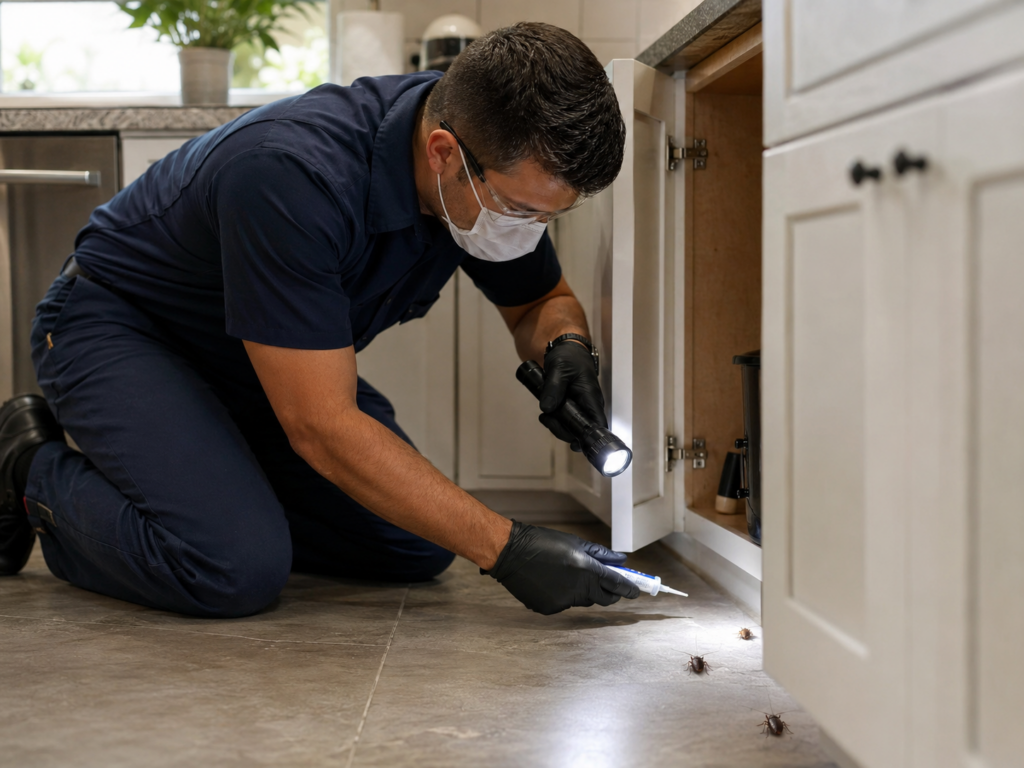
These pests are not in the “big three” but they are still tough. Each one has its own twist.
German cockroaches breed at a brutal pace. One egg case can release up to 48 nymphs. They hide inside appliances, under sinks, and in wall voids. Some populations now avoid sugar-based baits. That is called a glucose-averse strain.
Ants form multi-queen colonies in many cases. Spraying the visible trail can cause the colony to split. Suddenly you have three problems instead of one. The right product is bait, not contact spray.
Rodents are an exclusion problem more than a trap problem. Rats and mice find gaps the size of a quarter. They can produce up to six litters per year. Sealing entry points matters more than how many traps you set.
With rodents, the real problem is always structural. We do not just trap — we seal entry points so they cannot come back.
Learn more about our rodent control services in Glendora.
There are four reasons a pro can finish a job that DIY cannot.
Access. We inject products into wall voids, soil, and crevices that cans and traps cannot reach.
Residual. Pro-grade products stay active for months. Store-bought sprays often break down in hours.
Follow-up. We schedule re-treatment to catch newly hatched pests.
Identification. The right pest ID picks the right treatment. Wrong products waste money and can spread the infestation.
Licensed pros also carry insurance and follow Structural Pest Control Board rules in California. For more on the rules and how to verify a license, see the California Structural Pest Control Board.
As a family-owned company with 20+ years in the field, we have seen every level of infestation. We answer our own phone and we stand behind our work.