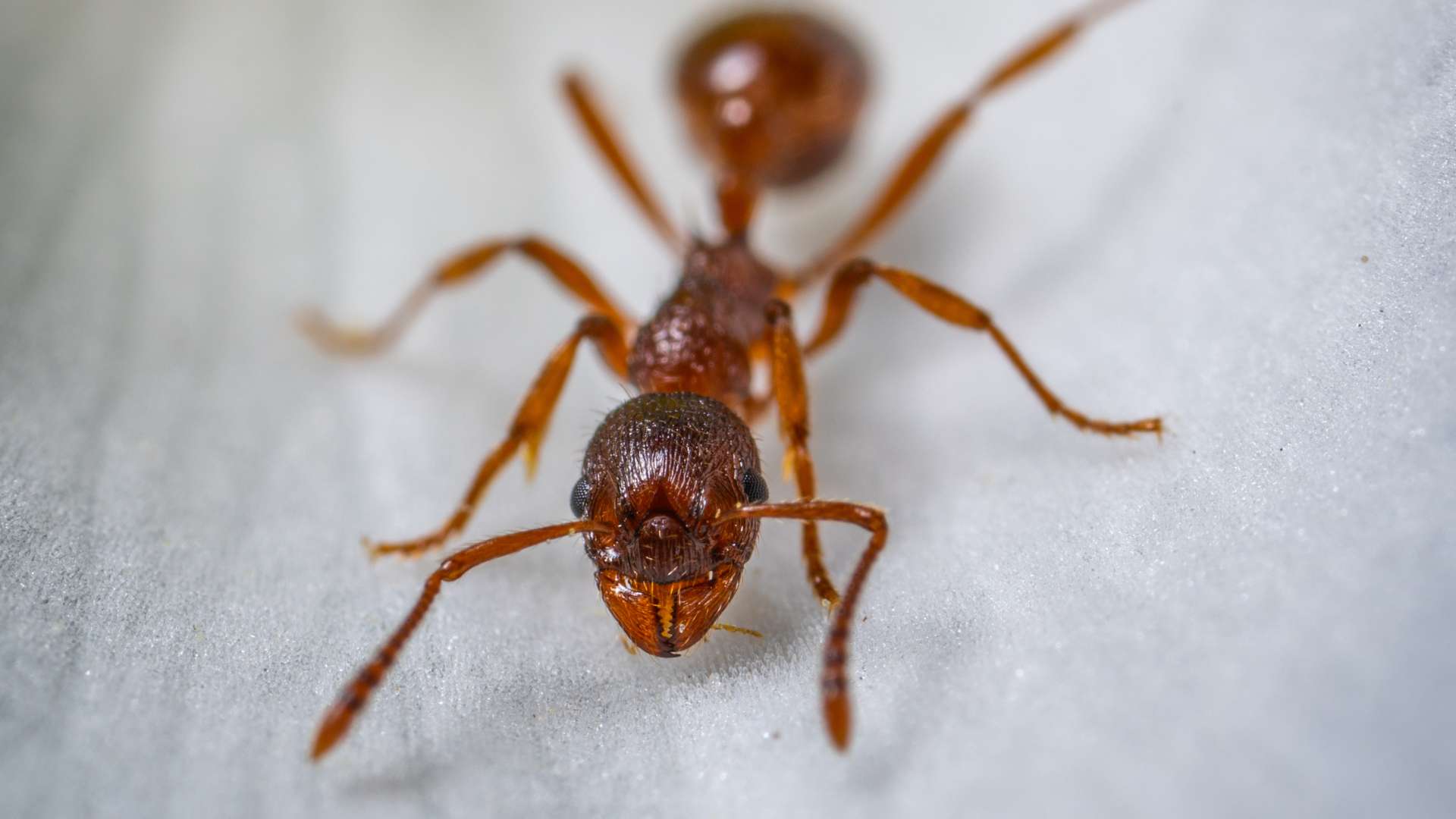
Ants out in the yard are no big deal, but they quickly turn into pests when your walls become their homes. Ants can cause structural damage and even contaminate your house.
Some species, such as carpenter ants, tunnel through wood, while others like pharaoh ants can spread bacteria.
To help eliminate and prevent ants in walls, it is important to know why they use the area, how they enter, and the risks associated with them.
Here, I bring you a comprehensive guide to dealing with ants in walls – supported by expert advice (from a pest control expert) to keep them out of your home.
Why Ants Live in Walls?
Walls are particularly attractive to ants because they offer several benefits:
- Warmth: Walls provide a warm environment, especially during colder months. This is particularly important for ants, as they are cold-blooded and require a certain temperature to survive and thrive.
- Protection: Walls offer protection from predators and harsh weather conditions. This is especially important for ant colonies, as they are vulnerable to attacks from other insects and animals.
- Moisture: Walls can be a source of moisture, which is essential for ants to survive. Moisture is necessary for ants to obtain food, build their nests, and raise their young.
Common Ant Species Found Living in Walls
Different ant species can invade your walls, each presenting unique challenges. Identifying the type of ant is key to determining the best treatment strategy. Here are the most common species you might encounter:
- Carpenter Ants: These large, black or reddish ants are particularly destructive. They don’t eat wood but tunnel through it to build their nests, which can lead to significant structural damage. Carpenter ants are often drawn to damp or decaying wood, so they are typically found in areas with moisture problems, such as near windows, roofs, or plumbing leaks.
- Odorous House Ants: Small and brown, odorous house ants are attracted to sweet foods and can become a persistent nuisance. They often build nests in walls, under floors, or behind appliances. These ants emit a foul odor when crushed, which is why they are called “odorous” house ants. Though they don’t cause structural damage, their presence can still lead to contamination of food supplies.
- Pharaoh Ants: These tiny, yellowish ants are notorious for spreading bacteria, making them particularly dangerous in sensitive environments like hospitals. They are difficult to control because they can quickly spread and are resistant to many conventional insecticides. Pharaoh ants build nests in warm, humid areas, often within walls or behind baseboards.
- Pavement Ants: While typically found nesting under sidewalks or driveways, pavement ants can also enter homes and establish colonies in walls. They are dark brown to black in color and often invade homes in search of food, particularly sweets and greasy items.
- Acrobat Ants: These ants are small, typically brown or black, and get their name from the way they raise their abdomen above their head when threatened. Acrobat ants tend to nest in decayed wood and may take over abandoned carpenter ant galleries, though they are not as destructive.
Signs of Ants Living in Your Walls
If you suspect that you have ants in your walls, there are several signs to look for:
- Faint rustling noises inside the walls: You may hear faint rustling noises coming from your walls, especially at night. This is a sign that ants are active inside the walls.
- Small piles of debris (sawdust, dirt): If you notice small piles of sawdust or dirt near cracks or openings in your walls, this is a sign that ants may be nesting there.
- Ant trails leading to cracks or openings in the wall: If you see ant trails leading to cracks or openings in your walls, this is a strong indication that ants are entering your home through these points.
- Presence of winged ants (swarmers) during the reproductive season: During the reproductive season, ants will produce winged males and females, known as swarmers. If you see winged ants flying around your home, this is a sign that there may be a mature ant colony inside your walls.
How Ants Enter Your Walls?
Ants can enter your home through a variety of ways, including:
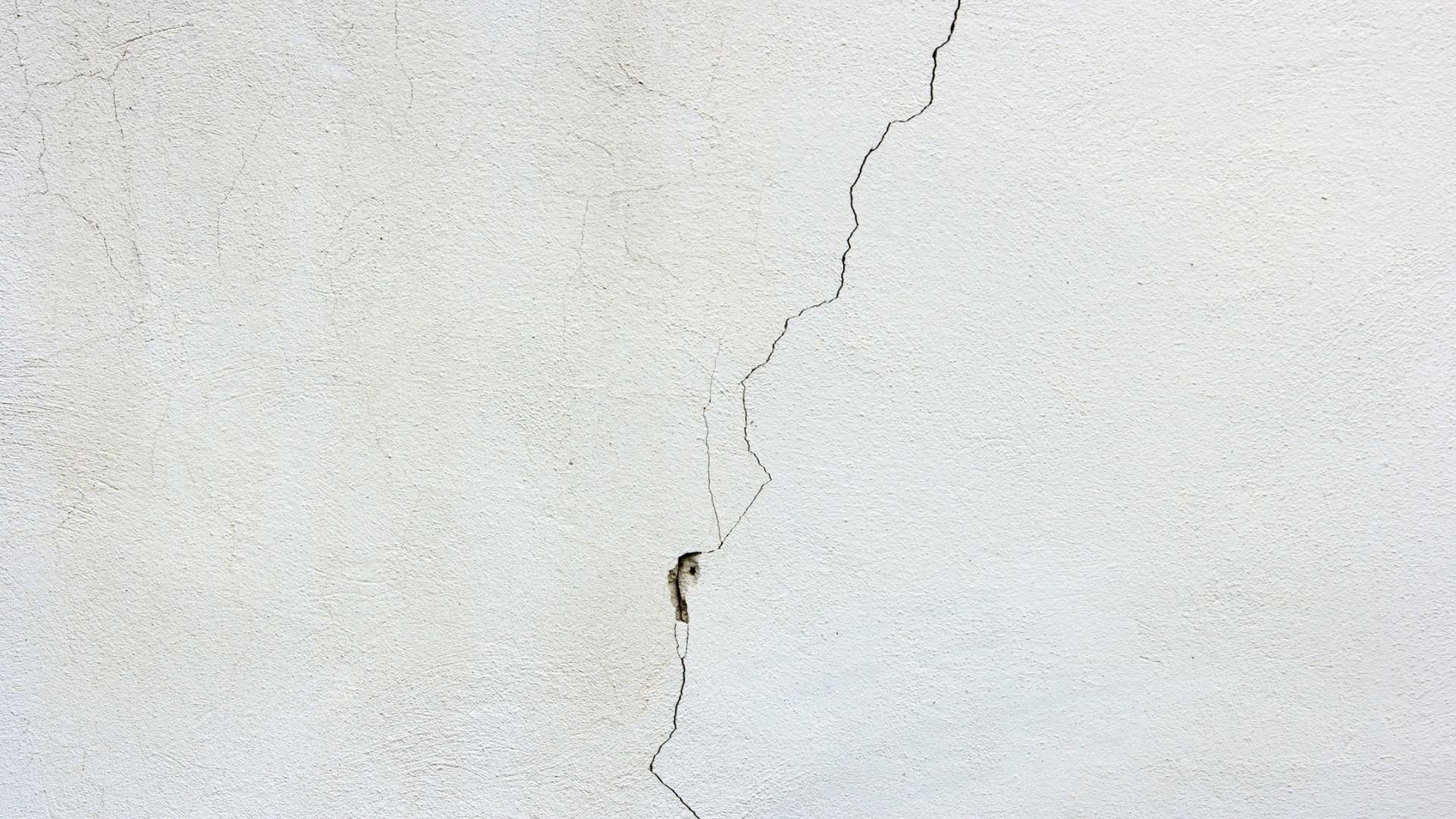
- Cracks in the foundation or exterior walls: Ants can squeeze through small cracks in the foundation or exterior walls.
- Gaps around windows and doors: Gaps around windows and doors can also provide entry points for ants.
- Utility entry points (cables, pipes): Ants can travel along utility lines to enter your home.
Ants are more likely to enter homes during the spring and summer months, when the weather is warmer. They may also be more likely to enter homes if there is a food source available inside.
Dangers of Ants Living in Walls
Ants in the walls can lead to more than just an inconvenient infestation. Carpenter ants, for example, don’t just nest in your home—they burrow through wooden structures, compromising the integrity of beams, walls, and other essential components. Over time, this can result in costly repairs and weaken the overall stability of your home.
Pharaoh ants, on the other hand, pose a different type of threat. Known for contaminating food and
spreading harmful bacteria, these ants are particularly dangerous in
environments like hospitals, where they can contribute to the spread of diseases. Their ability to quickly multiply makes controlling them even more challenging.
In addition to property damage and health risks, an ant infestation can take a toll on your peace of mind. Persistent invasions often lead to frustration and stress, especially when eradication efforts don’t provide immediate results.
How to Get Rid of Ants in Walls
The initial step to take if some ants live in your wall is evaluating the infestation. Knowing early will let you know if you can do it yourself, or if it is time to call a pro.
Professional Extermination Methods
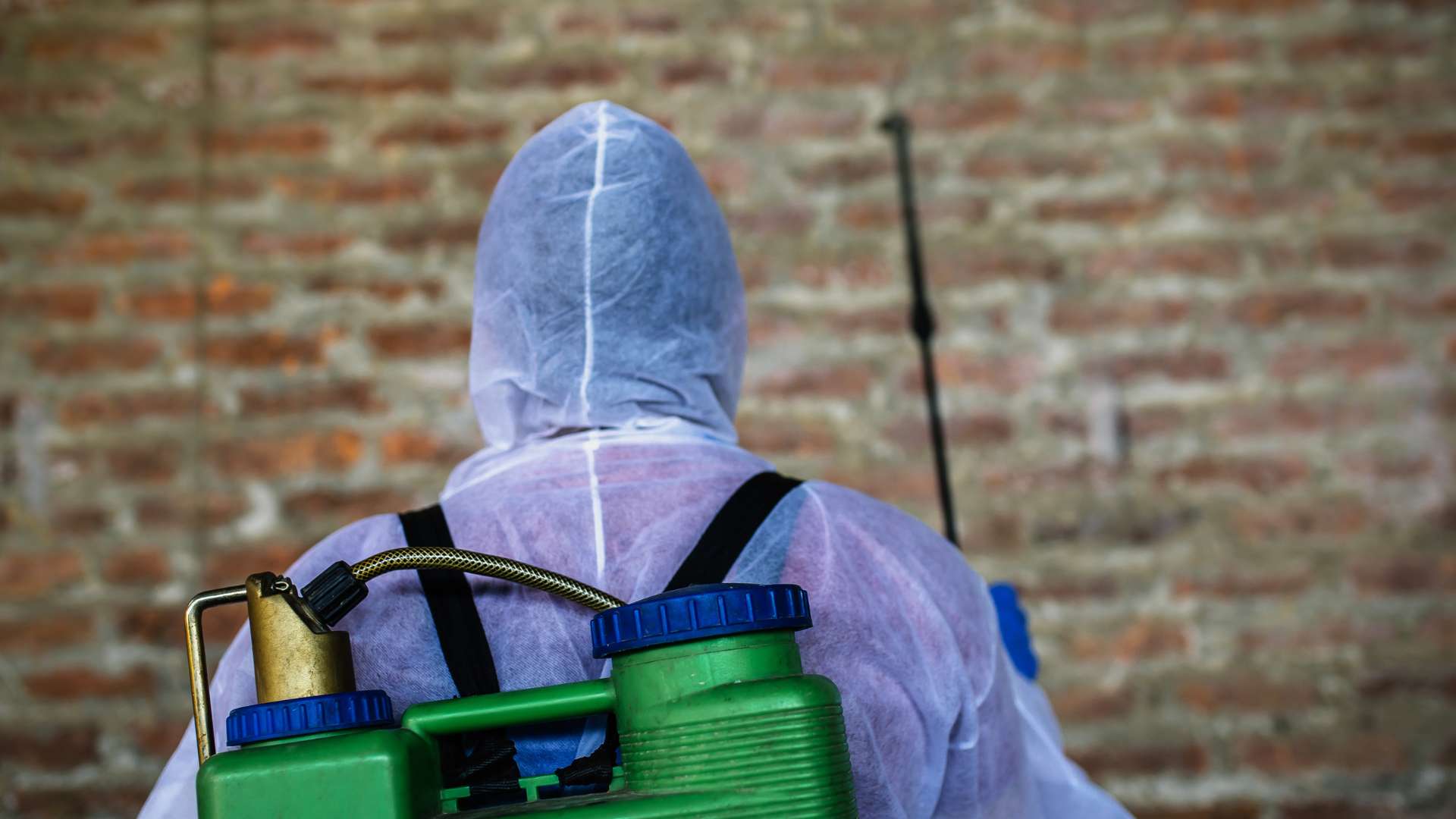
Ant pest control is best handled by experienced professionals like us at Bellas Exterminator. Here’s how we tackle the issue:
- Inspection: The first step in our ant removal process is a thorough inspection of your home. We identify the ant nest, determine entry points, and assess any damage or structural issues caused by the infestation.
- Non-repellent Insecticides: We use specialized insecticides that ants unknowingly carry back to their colony. This method ensures that the entire colony is affected, not just the ants you see.
- Baiting Systems: We strategically place slow-acting bait systems that ants bring back to their nest, targeting the entire colony over time for complete eradication.
- Colony Eradication: Our goal is not just to eliminate the visible ants but to wipe out the entire colony, ensuring the problem is fully resolved and won’t return.
- Repeat Visits: To ensure your ant problem is completely solved, we provide follow-up inspections and treatments as needed, guaranteeing long-term protection for your home.
DIY Solutions for Ants in Walls
For smaller ant infestations, homeowners can take action with some effective DIY methods before calling a professional. Here’s how you can implement these solutions step by step:
Bait Stations
Bait stations are an effective method for eliminating ants at the source, as they target the colony, not just the visible ants.
- Identify Ant Trails: Look for areas where ants are frequently seen, such as near baseboards, windows, or doors.
- Place Bait Stations: Place bait stations along these trails. Ensure they are out of reach of pets or children.
- Monitor Activity: Check the bait stations daily. If the bait is consumed, replace it as needed.
- Wait for Results: Ants will carry the slow-acting poison back to the colony, which could take a few days to weeks to eliminate the entire nest.
- Be Patient: It’s important to avoid killing the ants immediately—let them carry the bait back to the colony so the entire nest is affected.
Seal Entry Points
Sealing entry points is essential for preventing ants from returning after you’ve treated the infestation.
- Inspect the Home: Carefully inspect your home for cracks, gaps, or openings around windows, doors, and utility lines. These are the main entry points for ants.
- Clean the Area: Before sealing, clean the area with a damp cloth to ensure a good seal.
- Apply Caulk or Sealant: Use caulk or a high-quality sealant to fill in the cracks or gaps. For larger gaps, use expanding foam to close off the entry points completely.
- Re-check Regularly: After sealing, inspect the area periodically to ensure no new cracks form, especially after weather changes or house repairs.
Natural Remedies
- Diatomaceous Earth (DE):
- Purchase Food-Grade DE: Ensure that you are using food-grade diatomaceous earth, as it is safe for homes with pets and children.
- Sprinkle DE: Lightly sprinkle DE around entry points such as baseboards, doorways, and windowsills where ants may be entering.
- Monitor and Reapply: Over time, DE will dehydrate and kill ants by breaking down their exoskeletons. Reapply after cleaning or if the powder becomes damp, as moisture reduces its effectiveness.
- Vinegar and Water Mix:
- Prepare the Solution: Mix equal parts vinegar and water in a spray bottle.
- Spray Ant Trails: Spray the solution directly on visible ant trails and entry points. The vinegar will disrupt their scent trails, making it difficult for other ants to follow.
- Wipe Down the Area: After spraying, wipe down the surface with a clean cloth to remove any ant pheromones.
- Reapply as Needed: Continue to spray daily until the ant activity diminishes.
Addressing the Root Cause
Regardless of the treatment method, it’s important to tackle the root cause of the infestation to prevent ants from returning:
- Reduce Moisture:
- Fix any leaks in plumbing or roofing.
- Use dehumidifiers in damp areas like basements or bathrooms.
- Ensure proper ventilation in areas prone to moisture buildup.
- Eliminate Food Sources:
- Keep countertops and floors clean and free of crumbs.
- Store food in airtight containers and promptly clean up spills.
- Ensure garbage bins are sealed and taken out regularly.
- Seal Cracks and Openings:
- Regularly inspect and seal cracks around windows, doors, and foundations.
- Focus on common entry points like utility lines and air ducts.
Final Thoughts About Ants in the Walls
Dealing with an ant infestation in your walls is not just about band-aid solutions, it takes full-fledged action where you have to understand what they are and when they come.
With years of experience behind us and tried-and-tested methods on our side, the ant control experts at Bellas Exterminator can not only rid your property of ants but also keep them from coming back.
Our services, from thorough inspections to comprehensive prevention plans, are built to safeguard your home and help you rest easy.